
How Long Do Leather Jackets Last? (Honest Lifespan Guide)

A well-made leather jacket lasts 20 to 30 years or more — and full-grain leather, the top grade, can outlive its owner with decades of wear. The honest range runs from about 3 years (cheap faux leather) to half a century or more (premium full-grain, well kept). Where your jacket lands on that spectrum is decided by three things: the leather grade, the build quality, and how you treat it.
That’s what makes a leather jacket the rare clothing purchase that’s genuinely cheaper per wear than the “cheap” alternative. A $299 jacket worn for 20 years costs about $15 a year. Here’s the full breakdown — what each grade lasts, what wears jackets out, and the habits that add decades.
The Short Answer: Lifespan by Leather Type
Not all “leather” jackets are equal, and the grade stamped on (or under) the label is the single biggest predictor of lifespan:
| Leather type | Typical lifespan | Notes |
|---|---|---|
| Full-grain | 20–30+ years | Densest, unaltered top layer of the hide. Develops a rich patina; the longer you own it, the better it looks. This is what every Alaskan Polar jacket is made from. |
| Top-grain | 10–20 years | Slightly sanded surface; still excellent with care, spots and wears a little faster than full-grain. |
| Genuine leather (split) | 5–10 years | The processed lower layers of the hide. Softer at first, but thinner and more prone to cracking and seam wear. |
| Bonded leather | 2–5 years | Leather scraps glued together; peels and delaminates no matter how well you care for it. |
| Faux / PU leather | 1–5 years | Synthetic surface that cracks, flakes, and peels within a few seasons of regular wear. No amount of conditioning saves it. |
(Our leather types guide explains these grades in depth — worth reading before you buy, since the label wording is deliberately confusing.)
The spread is enormous: a full-grain jacket can outlast ten faux ones. That single fact is the whole cost argument for buying quality once.
The Cost-Per-Wear Math
The sticker price is the wrong number to compare. The right number is what each year — or each wear — actually costs:
- $299 quality jacket, 20 years of wear: ~$15/year
- $900 designer jacket, 25 years of wear: ~$36/year
- $80 faux jacket replaced every 3 years: ~$27/year — plus 7 jackets sent to landfill
The middle option isn’t the bargain it looks like, and the “expensive” quality jacket is often the cheapest thing you own per wear. This is the $200–500 “sweet spot” leather insiders talk about: enough to buy full-grain leather and honest construction, without the designer markup.
What Actually Decides the Lifespan (Beyond the Grade)
Grade sets the ceiling; these factors decide whether you reach it:
Build quality. Sturdy zippers, dense stitching, and a proper lining matter as much as the hide. A jacket fails at its weakest point — usually a cheap zipper or a thin lining long before the leather gives out. Inspect stitching density, zipper smoothness, and lining weight before buying; these are the construction details that separate a 20-year jacket from a 5-year one.
How often you wear it. Daily wear concentrates stress on high-friction areas — elbows, cuffs, collar — while occasional wear lets the leather rest. But here’s the counterintuitive part: a jacket worn regularly and conditioned stays supple longer than one that sits untouched for years, because leather is skin — it dries out faster from neglect than from use.
Climate and conditions. Direct sun is the slowest killer: UV dries and fades leather steadily. Repeated soakings without proper drying, extreme heat and cold cycles, and pollution all shorten life. Our rain guide covers exactly how much weather a jacket can take.
Care routine. This is the factor you fully control — and the difference between 10 years and 30. See the habits section below.
The 5 Habits That Add Decades
Most leather jackets die of neglect, not age. These five habits are the difference-makers:
1. Condition 2–4 times a year. Leather conditioner replaces the oils leather loses to air, sun, and wear. A five-minute application every few months is the single highest-return maintenance task there is. Our care guide walks through exactly how.
2. Store it on a wide hanger, away from sun and heat. A padded or wide wooden hanger holds the shoulder shape; wire hangers create permanent dimples. Keep it in a cool, dry place out of direct sunlight — not in a plastic bag, which traps moisture.
3. Dry properly after rain. Blot, hang at room temperature, and let it air-dry slowly. Never use a radiator, hair dryer, or direct heat — heat dries leather too fast and causes cracking. (Full details in the rain guide.)
4. Clean gently, never machine-wash. Wipe with a damp cloth; use a leather cleaner for real dirt. Machine washing destroys the structure and finish. Never.
5. Wear it. Paradoxically, regular wear keeps leather supple. Jackets that hang untouched for years often come back stiff and dry. Wear it, condition it, hang it right.
The Mistakes That Kill Jackets Early
Just as important as what to do is what not to do:
- Machine washing or tumble drying — destroys the leather’s structure and finish in one cycle
- Drying with heat — radiators, hair dryers, and direct sun crack drying leather
- Plastic garment bags for storage — trap humidity; use a breathable cloth bag if you must cover it
- Wire hangers — stretch and dimple the shoulders permanently
- Ignoring cracks and dryness — leather that feels parched is asking for conditioner; unconditioned, dryness becomes cracking, and cracks don’t heal
- Buying bonded/faux leather and expecting longevity — no care routine overcomes a 3-year material
When to Repair vs. Replace
A quality jacket is worth repairing; a cheap one usually isn’t. Repair when:
- The zipper fails (a $20–40 zipper replacement by a leather shop gives a full-grain jacket a second decade)
- The lining tears (relining is routine and affordable)
- The leather is dry or faded (deep conditioning or a professional refinish restores it)
- Stitching pops at a seam (a cobbler or leather repair shop restitches it in minutes)
Replace when the leather itself is deeply cracked through, delaminating (bonded leather), or flaking (faux leather) — these are material failures, not fixable ones. A repair bill exceeding half the jacket’s value is the practical cutoff, though sentiment routinely overrides it.
The Patina Argument: It Gets Better
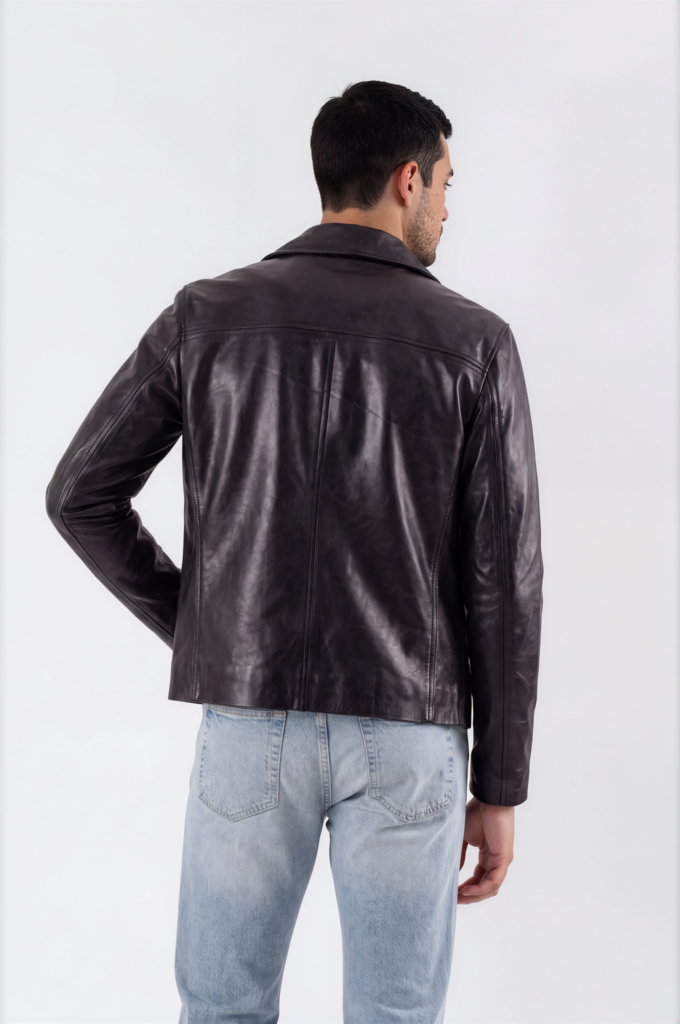
Here’s the part no synthetic jacket can match: quality leather improves with age. Full-grain leather develops a patina — a rich, darkened sheen in the places you touch and crease it most. Creases become character, scratches buff out and blend in, and the jacket molds to your body. A ten-year-old full-grain jacket doesn’t look worn out; it looks worn in, in a way money can’t fake.
That’s why vintage leather jackets sell for more than new ones, and why leather people talk about their jackets the way watch people talk about their watches. The lifespan isn’t just durability — it’s the whole point.
Are Leather Jackets Worth It?
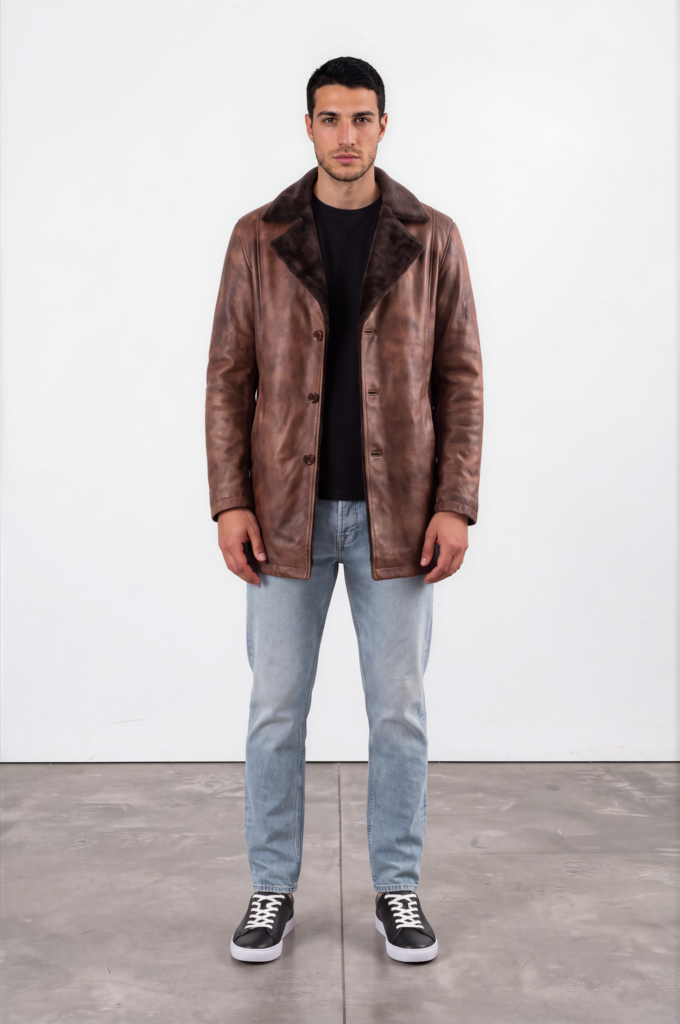
For a quality jacket: yes, emphatically. Nothing else in your wardrobe offers this combination of cost-per-wear, repairability, and improvement with age. A $249–349 full-grain jacket that lasts 20+ years is one of the cheapest garments you’ll ever own per wear — and the only one that looks better at year ten than year one.
Our under-$350 roundup picks seven quality jackets in that exact band. Or make it to measure — a jacket cut for your body is the one you’ll actually wear for decades.
How long do leather jackets last?
A well-made leather jacket lasts 20–30 years or more. Full-grain leather can last decades with proper care; top-grain typically lasts 10–20 years; genuine (split) leather 5–10 years; bonded and faux leather 1–5 years.
Do leather jackets wear out?
Eventually, yes — but quality ones wear out very slowly. The first things to go are usually the zipper and lining, both of which are cheaply repairable. The leather itself only fails when it’s been neglected (dried out, cracked) or was a low grade to begin with (bonded/faux).
Is a $300 leather jacket worth it?
If it’s real full-grain or top-grain leather, yes — at 20+ years of wear that’s about $15 a year, cheaper per wear than a $80 faux jacket you replace every 3 years. Check the leather grade and construction (stitching, zipper, lining) before judging the price.
Can a leather jacket last a lifetime?
Yes — many do. Full-grain jackets from the 1970s and 80s are still being worn today. The formula is simple: quality leather, honest construction, conditioning a few times a year, proper storage, and prompt repairs.
Do leather jackets get better with age?
Quality full-grain leather does — it develops a patina, a rich sheen and character in the creases and high-touch areas that can’t be faked. It also molds to your body over time. This improvement-with-age is unique to real, good leather.
How do I make my leather jacket last longer?
Condition it 2–4 times a year, store it on a wide hanger away from sun and heat, air-dry it slowly after rain (never with heat), never machine-wash it, and repair zippers and linings promptly. Our care guide covers the full routine.